Closing 2025 with Grit, Entering 2026 with Global Intent: The PROMIXCO USA Chapter
2025 didn’t whisper its way out.
It slammed the door, looked us in the eye, and asked a hard question: Are you built for the long run—or just the good times?

At PROMIXCO USA Corporation, 2025 was not about perfection. It was about presence. Showing up. Holding ground. Keeping the bridge between Bangladesh and the United States intact when global trade felt shaky, logistics were moody, and markets demanded more than just promises.
We didn’t chase noise.
We chose structure over hype, compliance over shortcuts, and legacy over likes.
What 2025 Really Meant for Us
2025 was a year of quiet construction. Behind the scenes, PROMIXCO USA focused on:
- Strengthening cross-border operations between Bangladesh manufacturing units and the US market
- Reinforcing compliance, documentation, and regulatory readiness
- Positioning Bangladeshi-made products for serious shelves, not temporary trends
- Building trust with partners who value consistency over convenience
No fireworks. Just foundations.
The old-school way—brick by brick, contract by contract.
🇺🇸 Why PROMIXCO USA Exists (And Still Matters)
PROMIXCO USA isn’t just an overseas address.
It’s a gateway.
A gateway for Bangladeshi excellence to enter the US market with dignity.
A gateway for ethical manufacturing, export-ready systems, and long-term partnerships.
A gateway that says: We’re not here to test the waters—we’re here to stay.
In a world obsessed with speed, we chose stability.
In a market addicted to shortcuts, we chose standards.
Call it traditional. We call it smart.
2026: Less Talk. More Territory.
The new year doesn’t come with empty resolutions. It comes with intent.
In 2026, PROMIXCO USA is focused on:
- Expanding market access for healthcare, lifestyle, and manufacturing products
- Deepening B2B partnerships across the US
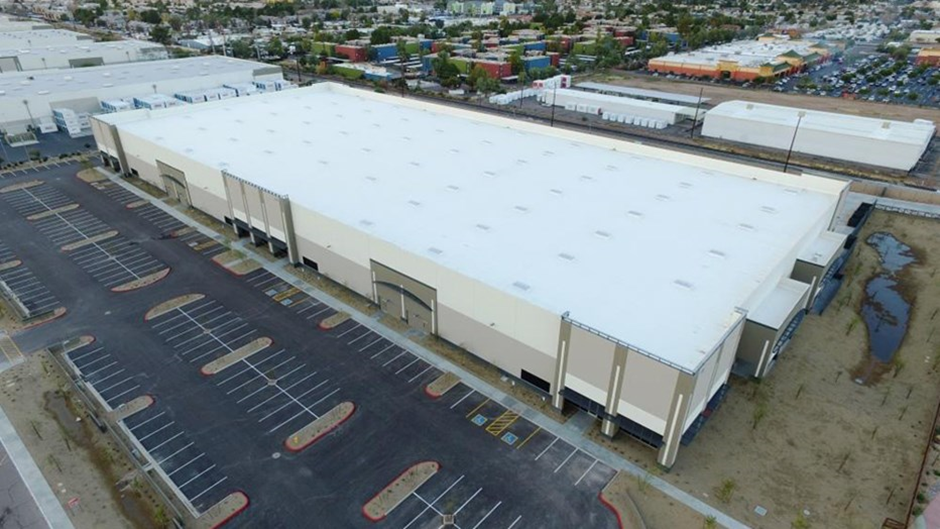
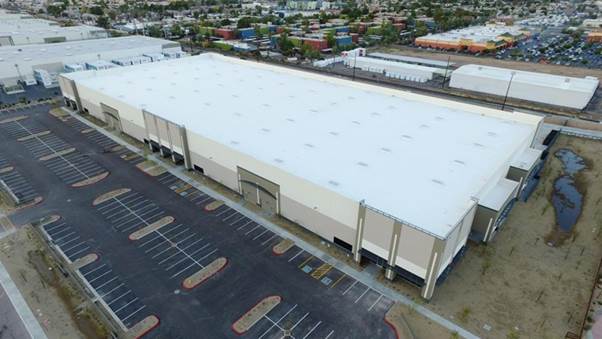
- Strengthening warehousing, logistics coordination, and supply chain visibility
- Elevating “Made in Bangladesh” from a label to a mark of trust
We’re entering 2026 calm, clear, and unapologetically ambitious.
History respects builders, not performers.
And PROMIXCO USA is here to build—quietly, steadily, globally.
Closing 2025: United States Market Overview in the Healthcare & Manufacturing Trade Sector
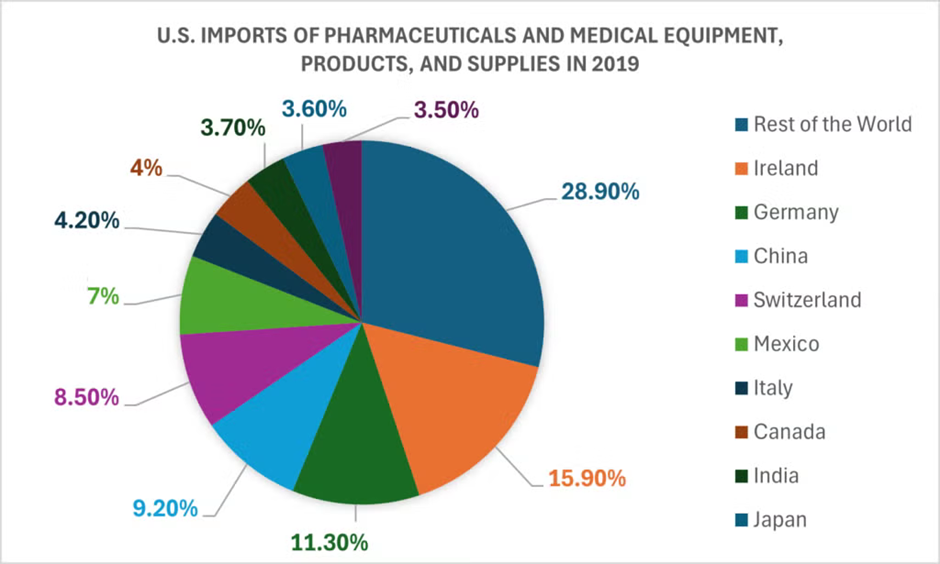
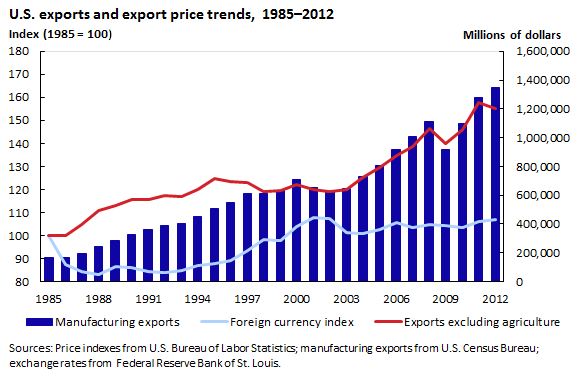
2025 in the United States didn’t end with a boom—it ended with a reset.
Less noise, more scrutiny. Less speculation, more structure. And honestly? That suits serious players just fine.
For companies operating in healthcare products, medical devices, lifestyle goods, and export-oriented manufacturing, the US market in 2025 sent one clear message: grow up or get out.
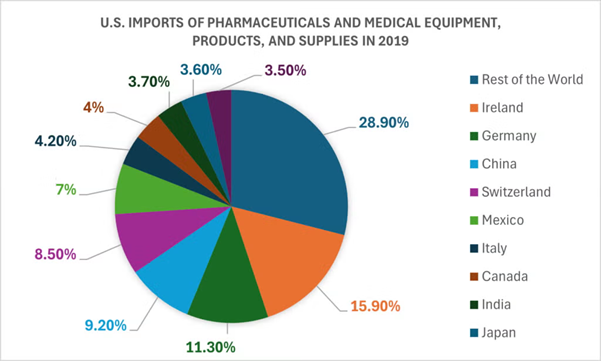
1. The Big Picture: Stability Over Speed
By the close of 2025, the US market had largely moved out of post-pandemic volatility mode and into risk-managed stability.
Key characteristics:
- Buyers became more compliance-driven
- Importers demanded traceability, documentation, and certifications
- Warehousing and fulfillment mattered as much as the product itself
- Long-term supply partners replaced spot traders
Fast money slowed. Smart money stayed.
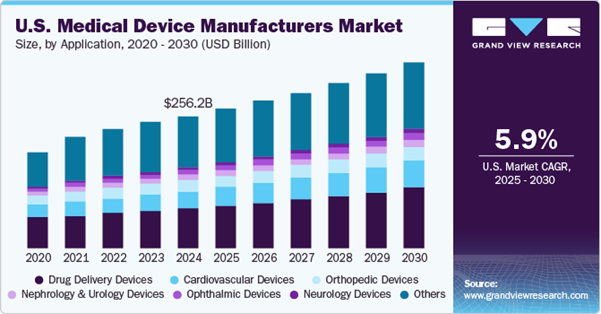
2. Healthcare & Medical Device Sector: Tight but Trust-Driven
Healthcare remained one of the most resilient sectors in the US economy in 2025—but also one of the most regulated.
Trends that defined the year:
- Preference for reliable mid-scale suppliers over unknown bulk exporters
- Strong demand for cost-effective, non-luxury medical products
- Increased focus on quality systems, labeling, and post-market accountability
- Hospitals and distributors favored vendors who could ensure continuity, not just price
This environment quietly favored structured exporters like PROMIXCO USA Corporation, operating with compliance-first thinking rather than opportunistic selling.
3. Manufacturing & Imports: The Rise of “Friend-Shoring.”
By end-2025, the US import strategy had clearly shifted:
- Over-reliance on single-country sourcing was seen as risky
- Buyers actively explored South and Southeast Asian manufacturing hubs
- Bangladesh gained attention for competitive pricing + improving compliance
- Ethical production and labor transparency became commercial assets
4. Logistics & Warehousing: Quiet Power Centers
If 2025 taught anything, it’s this:
Products don’t sell themselves—distribution does.
US partners increasingly expected:
- Local or near-local warehousing
- Faster last-mile coordination
- Clear inventory visibility
- Predictable delivery cycles
Companies with US operational presence gained trust faster than remote exporters—period.
5. Buyer Psychology at Year-End 2025
US buyers closed 2025 cautious but open:
- Conservative budgets, but not frozen
- Fewer vendors, deeper relationships
- Preference for partners with clear governance and continuity
- Zero tolerance for documentation gaps
This was not a market for hype decks.
It was a market for calm operators.
6. What This Means Going into 2026
As 2025 closed, the US sector stood on three pillars:
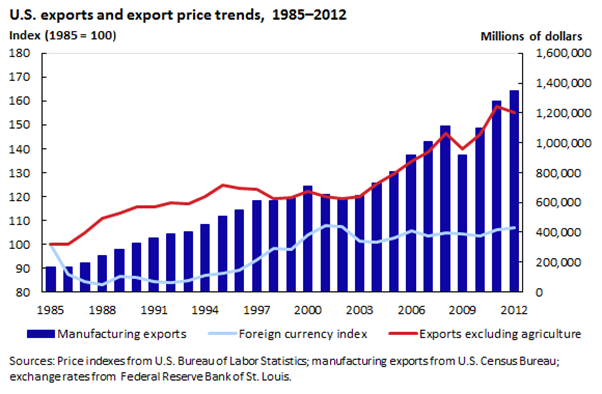
- Compliance is non-negotiable
- Trust beats speed
- Structure beats scale
For exporters and US-based trade entities, the door is open—but only for those willing to walk in properly dressed.
Closing Thought
2025 in the United States rewarded discipline, punished shortcuts, and quietly welcomed builders.
The era of easy entry is over.
The era of earned presence has begun.
And that’s not bad news—
That’s an invitation.
Entering 2026 with Global Intent: Where the Healthcare & Manufacturing Trade Sector Is Headed
2026 didn’t walk in loudly.
It arrived calm, observant—almost old-soul energy. And the global healthcare & manufacturing trade sector felt it immediately.
After the discipline of 2025, 2026 is shaping up to be the year of intentional expansion. Not reckless growth. Not a vanity scale. Real, earned globalization.
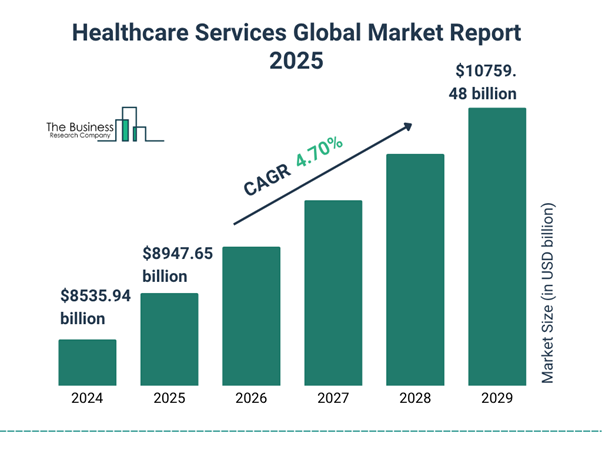
Let’s break it down—no fluff, just facts with a pulse.
🌍 1. From “Global Supply” to “Global Systems”
In 2026, the world doesn’t want suppliers anymore.
It wants systems.
Global buyers are prioritizing:
- Multi-country sourcing strategies
- Harmonized quality standards
- Digital documentation and traceability
- Partners who understand regulation across borders, not just production
Translation?
If you can’t speak compliance fluently in more than one jurisdiction, you’re background noise.
🏥 2. Healthcare Trade: Demand Is Global, Expectations Are Universal
Healthcare products—especially medical devices, disposables, hygiene products, and essential equipment—remain globally essential in 2026.
But here’s the twist:
- Price sensitivity exists, but risk sensitivity dominates
- Emerging-market manufacturers are welcome—if governance is solid
- Ethical sourcing, labeling accuracy, and post-market responsibility are now deal-makers
This favors structured trade entities like PROMIXCO USA Corporation, positioned between compliant manufacturing bases and demanding Western markets.
Old-school trust, modern execution.
🚢 3. Trade Routes Are Being Rewritten (Quietly)
2026 is deepening the shift toward:
- “China +1” and “friend-shoring” strategies
- South Asia as a manufacturing partner—not a backup
- Regional diversification to reduce geopolitical shock
Bangladesh, Vietnam, India—no longer fringe options.
They’re now strategic nodes in global healthcare supply chains.
History repeats itself: trade follows stability, not hype.

📦 4. Warehousing & Distribution = Strategic Power
Here’s the unsexy truth of 2026:
Whoever controls inventory proximity controls the relationship.
Global intent in 2026 includes:
- Local or regional warehousing
- Faster fulfillment with fewer intermediaries
- Inventory transparency for institutional buyers
Exporters without downstream presence will struggle to scale trust—even with great products.
5. Buyer Mindset in 2026: Conservative, Global, Long-Term
Buyers entering 2026 are:
- Planning longer contracts
- Reducing vendor counts
- Preferring partners who can grow with them across markets
- Obsessed with documentation, audits, and continuity
No patience for chaos.
No appetite for drama.
It’s giving… grown-up energy.
6. What “Global Intent” Really Means in 2026
Global intent is not about flags on websites.
It’s about:
- Regulatory literacy
- Operational presence
- Cultural fluency
- Long-term credibility
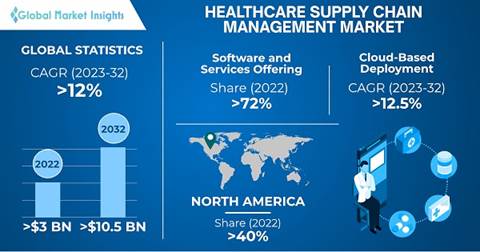
What Must Be Considered in 2026 for the Healthcare & Manufacturing Trade Sector
Let’s be real for a second.
2026 is not forgiving. It’s fair—but only to those who come prepared.
If you’re operating in healthcare products, medical devices, hygiene goods, or export-oriented manufacturing, here’s what actually matters now. No corporate poetry—just the bones of the business.
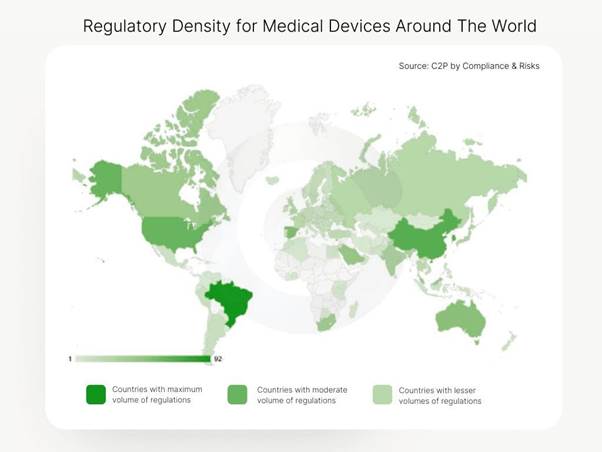
1️⃣ Compliance Is the Business (Not a Department)
In 2026, compliance is no longer a checkbox—it is the product.
You must consider:
- End-to-end documentation (from raw material to end user)
- Market-specific regulatory literacy (US, EU, GCC—not interchangeable)
- Labeling, traceability, and post-market responsibility
- Audit readiness at any time
If compliance feels “heavy,” that’s because it’s carrying your credibility.
2️⃣ Governance & Structure Beat Scale
Big volumes with weak governance? Dead on arrival.
The sector now values:
- Clear ownership and decision structures
- Consistent SOPs across borders
- Financial transparency
- Defined accountability (who answers when something goes wrong)
This is where entities like PROMIXCO USA Corporation gain leverage—because structure travels better than hype.
Old rule, still true.
3️⃣ Supply Chain Resilience Over Cheapest Cost
2026 buyers are allergic to surprises.
They will ask:
- Can you deliver consistently?
- Do you have alternate sourcing?
- What happens if one route shuts down?
- Is your supplier ethical, stable, and documented?
The cheapest option is useless if it collapses mid-contract.
4️⃣ Warehousing & Market Presence Matter
Exporting without downstream control is risky now.
Consider:
- Local or regional warehousing
- Faster fulfillment expectations
- Inventory visibility for buyers
- Reduced dependency on third-party uncertainty
In 2026, proximity = trust.
5️⃣ Product Selection Must Be Strategic
Not everything should be exported just because it can be.
Smart players focus on:
- Essential, repeat-demand products
- Cost-effective (not luxury) healthcare items
- Products with manageable regulatory pathways
- SKUs that can scale without compliance chaos
Less variety. More depth.
Classic wisdom.
6️⃣ Buyer Relationships Are Long-Term or Nothing
Transactional selling is fading fast.
Buyers now want:
- Fewer vendors
- Longer contracts
- Predictable partners
- Strategic alignment, not opportunistic pricing
If you’re not planning to grow with the buyer, they won’t start with you.
7️⃣ Ethics, ESG & Reputation Are Commercial Assets
This is not branding fluff anymore.
2026 decisions are influenced by:
- Labor practices
- Environmental responsibility
- Governance behavior
- Crisis handling history
Reputation travels faster than shipments—and lasts longer.
8️⃣ Digital Readiness Is Non-Negotiable
Paper-heavy, email-only operations are liabilities.
You must consider:
- Digital documentation systems
- Inventory and shipment tracking
- Audit-friendly data storage
- Fast, clean information sharing
Efficiency isn’t modern—it’s survival.
🔚 Final Reality Check
This sector in 2026 rewards:
- Discipline over drama
- Structure over speed
- Trust over tactics
If you build like it’s a legacy, the market treats you like a partner.
If you operate like a shortcut, the market replaces you quietly.
Top of Form