Most Amazon growth stories follow the same arc: someone finds a product, sources it cheaply, sells it well, and then spends the next two years defending the position against everyone who copied them. That is not the story here.
PROMIXCO USA Corporation’s Amazon seller success story started from the opposite end of the supply chain. The group already manufactured. The question was never what should we sell — it was how do we get what we already make in front of American buyers, at a price and service level that competes with domestic suppliers.
This is how that channel was built, and what it taught us.
The Starting Position
PROMIXCO Group had been operating for over two decades across medical devices, consumables, apparel, hospital and office furniture, equipment servicing, and international trade. Manufacturing capacity, quality systems and product range were already in place.
What was missing was a US-facing commercial structure. Selling into the American market from abroad without one means competing at a permanent disadvantage: slower delivery, harder returns, weaker buyer confidence, and no clean legal path to act as importer of record.
The first decision, therefore, was not a marketplace decision at all. It was to establish PROMIXCO USA Corporation as a US entity handling contracting, sales, service and support domestically, drawing on the group’s manufacturing network for supply.
Everything that followed depended on that.
Phase One: Getting the Foundations Right
Before a single listing went live, the groundwork covered:
- Entity and identity. US registration, EIN, domestic banking, a US address and phone presence.
- Import capability. Customs bond, broker relationship, HTS classification for each product family, and a documented duty position per line.
- Compliance files. Product documentation, quality certifications, materials declarations and compliance evidence assembled per category so that any platform or buyer request could be answered in hours rather than weeks.
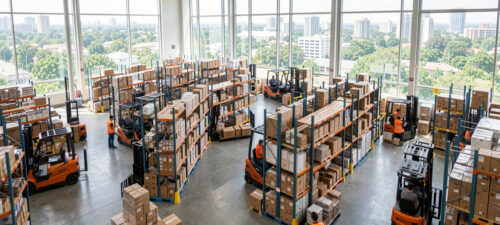
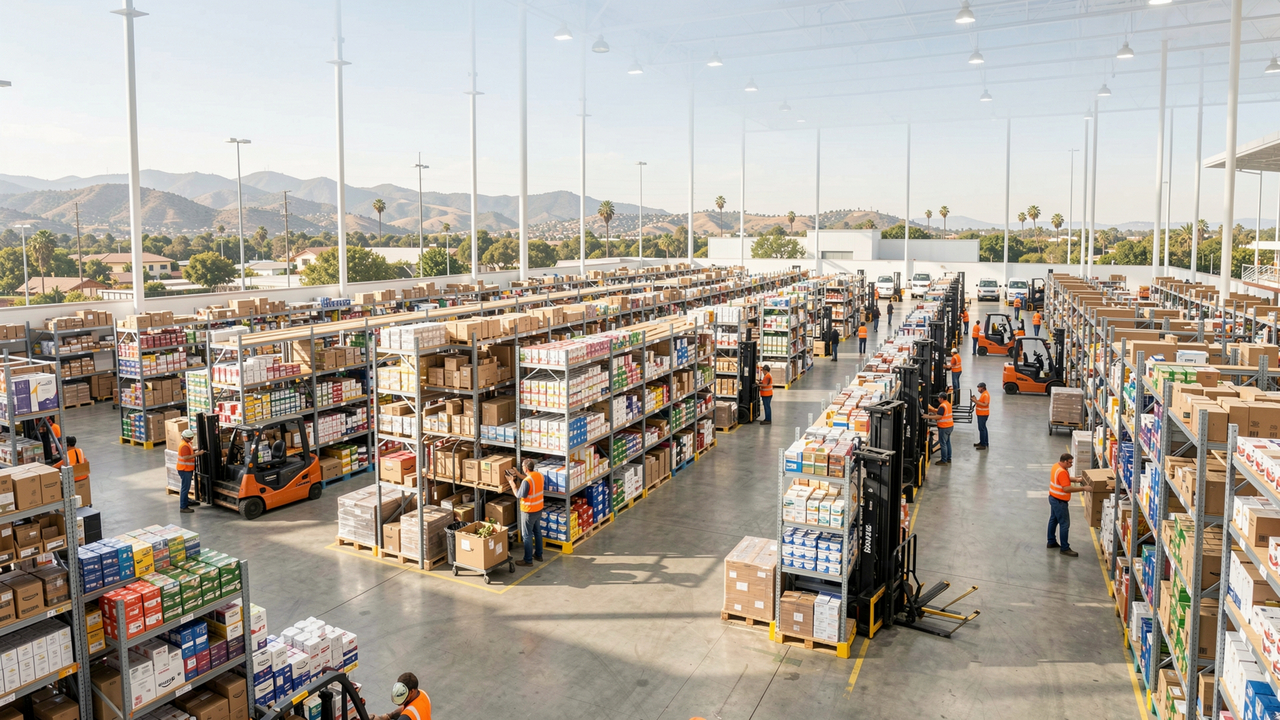
- Warehousing. A US warehouse to receive containers, hold stock, and serve orders domestically.
This phase is unglamorous and it is where most overseas sellers underinvest. It is also the reason the later phases went smoothly.
Phase Two: Choosing What to List First
The catalogue was deliberately narrowed. Instead of pushing the entire group range onto the marketplace, the launch focused on products that met four criteria:
- Manufactured in-house, so cost and quality were controllable.
- Small enough that fulfilment economics worked.
- In categories where documentation and specification could be used as a differentiator.
- Repeat-purchase in nature, so a first sale could become a customer.
Consumables and apparel led. Larger equipment and furniture — where marketplace fulfilment fees are punishing — were kept for merchant fulfilment and direct enquiry channels instead.
That split still defines the channel today.
Phase Three: Building Listings That Convert to a US Audience
Manufacturing credibility does not automatically translate into marketplace performance. The listings had to be built for the buyer, not the factory.
What made the difference:
- Specification-led copy. Dimensions, load ratings, materials, cleaning compatibility, warranty terms. Buyers in healthcare categories are comparing against a purchase order, not browsing.
- Photography that answers objections. Scale references, detail shots of joints and finishes, in-use context.
- Honest positioning as a manufacturer. Stating plainly which items are made in group facilities and which are distributed from qualified partners, because trust is easier to keep than to rebuild.
- Complete backend data. Category attributes, search terms and compliance fields filled out properly, which does more for discoverability than most sellers expect.
Phase Four: Pricing Against a Rising Cost Base
The tariff and customs changes of 2025 and 2026 hit every importer, and pretending otherwise would have been the fastest route to selling at a loss.
Three responses kept the channel healthy:
- Landed-cost rebuild. Every SKU was re-costed with duty, brokerage, freight and fees included, and anything that could not clear a minimum net margin was withdrawn rather than discounted.
- Consolidation. Fewer, fuller shipments instead of frequent small ones, spreading fixed customs and brokerage costs across more units.
- Mix shift. Emphasis moved toward products where the group’s own manufacturing gave the widest cost advantage, rather than traded goods where the margin was always thin.
The counter-intuitive lesson: cutting SKUs improved profitability faster than adding them.
Phase Five: Using the Marketplace as a Doorway, Not a Destination
The most valuable outcome of the Amazon channel was not marketplace revenue. It was the enquiries it generated.
Buyers who found a consumable or an apparel item and then discovered that the same company manufactures hospital furniture, orthopaedic equipment and rehabilitation solutions frequently came back through the contact form rather than the marketplace. Small transactional sales opened conversations about tenders, facility fit-outs and supply contracts.
Structurally, this means the channel works as:
- Marketplace for discovery, small orders and reputation building.
- Direct e-commerce for repeat customers and better margins.
- Contract and B2B for the large orders the marketplace was never going to carry.
What Actually Drove the Results
Looking back, five factors carried the most weight.
Owning the manufacturing. Control over cost, specification and quality is a durable advantage that resellers cannot copy.
Building the US entity first. It removed friction from importing, payments, tax and buyer confidence simultaneously.
Holding domestic stock. A US warehouse turned a six-week resupply problem into a three-day one and made merchant fulfilment viable for large items.
Documentation discipline. Having compliance evidence ready meant no listing was ever suppressed while paperwork was chased.
Refusing the price war. Competing on specification, service and range instead of undercutting protected the margin that funded everything else.
What We Would Do Differently
Honesty is more useful than a highlight reel, so:
- We would have modelled cash flow over 120 days from the start, rather than assuming a shorter cycle.
- We would have narrowed the initial SKU list even further; early breadth cost focus.
- We would have invested in the direct e-commerce channel earlier, instead of treating it as a follow-on to the marketplace.
- We would have built the returns process before the first return, not after it.
The Takeaway for Other Manufacturers
If you already make a product, the marketplace is not a lottery ticket — it is a distribution channel you are structurally well positioned to win in, provided you build the legal, logistical and compliance layer that sits between your factory and the American buyer.
The advantage is not that you can list cheaply. It is that you can answer every question a serious buyer asks about how the product is made, and back it up.
PROMIXCO USA Corporation is the United States arm of PROMIXCO Group, combining group manufacturing capability with domestic contracting, sales and support. To discuss sourcing, supply or partnership, contact our team.